Not Everyone Recovers from Broken Heart Syndrome

Dr Nelson Chong

writer

Dr Nelson Chong

Senior Lecturer in Pharmacology at the University of Westminster

Dr Nelson Chong

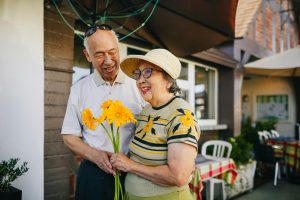
A stressful event, such as the death of a loved one, really can break your heart. In medicine, the condition is known as broken heart syndrome or takotsubo syndrome. It is characterised by a temporary disruption of the heart’s normal pumping function, which puts the sufferer at increased risk of death. It’s believed to be the reason many elderly couples die within a short time of each other.

Broken heart syndrome has similar symptoms to a heart attack, including chest pain and difficulty breathing. During an attack, which can be triggered by a bereavement, divorce, surgery or other stressful event, the heart muscle weakens to the extent that it can no longer pump blood effectively.

In about one in ten cases, people with broken heart syndrome develop a condition called cardiogenic shock where the heart can’t pump enough blood to meet the body’s needs. This can result in death.

PASSWORD RESET

Forgot your password or password not working? Please enter your email address. You will receive an email with the link to set a new password.

Icon 2

NEXT LIVE Webcast

:
Days
:
Hours
:
Minutes
Seconds
Dr Ted Wu

Dr Ted Wu

Cardiovascular Outcomes & GLP1 – An Update

Dr Alison Chiu

Dr Alison Chiu

Dry Eye – Practical Management Tips for Better Outcome

Join us for the next free webcast for GPs and healthcare professionals

High quality lectures delivered by leading independent experts

Once you confirm you’ve read this article you can complete a Patient Case Review to earn 0.5 hours CPD in the Reviewing Performance (RP) category.

Select ‘Confirm & learn‘ when you have read this article in its entirety and you will be taken to begin your Patient Case Review.

Upcoming Healthed Webcast

Tuesday 16th September, 7pm - 9pm AEST

Speaker

A/Prof Nicole Goh

Respiratory & Sleep Physician

We invite you to our next free webcast, where A/Prof Nicole Goh discusses the current state of play of the screening program and the likelihood of detecting non-lung cancer abnormalities. Earn up to 4 hours CPD. Accredited with RACGP and ACRRM.